
- This event has passed.
Trinity Woods // Dr. Tim Crain: The United States and the Cold War, 1945-72 (Part 6)
February 12 @ 6:30 pm - 8:00 pm
Free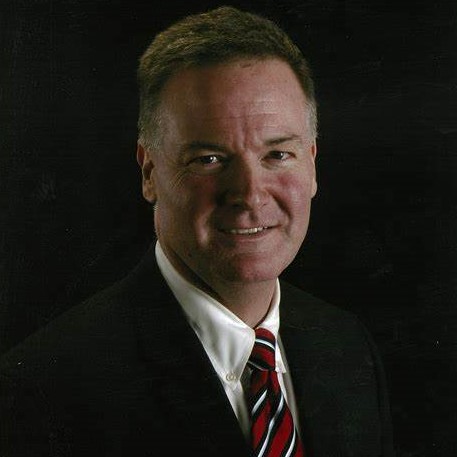
Join us for part 6 of this 6-part series: The United States and the Cold War, 1945-72.
About the Presenter
Dr. Tim Crain holds a BA in philosophy, history and political science, and MA in British and Modern European history, both from Marquette University, and a Ph. D. with specializations in Modern Jewish, Modern Europe and Modern Middle East history from Arizona State University. A noted public speaker, Crain delivers over one hundred lectures nationally each year.
February 12: The Cold War and Detente
As American forces continued to be bogged down in Southeast Asia, popular opinion began turning against the war in the late 1960’s. Lyndon Johnson announced in 1968 that he would not run for reelection. Richard Nixon secured the Republican nomination, and ascended to the White House the same year on a platform of a secret plan to end the war in Vietnam. Nixon had no secret plan, but he was able to normalize relations with China, and also succeeded in obtaining arms control agreements with the Soviet Union with the SALT agreement in 1972. Cold War historians view the US-Soviet conflict in the present day as more of a “long peace” as opposed to a Cold War, and for that both the United States and former Soviet Union deserve credit.